
Introduction
Highway landslides present significant challenges in slope protection engineering. The types, scales, and influencing factors of landslides have long been difficult issues in slope stabilization. Conducting detailed analyses of large, complex landslides, clarifying their spatial relationships, evaluating their stability, and analyzing their mutual influences are crucial for determining effective treatment solutions. This article explores the key technologies for landslide and high slope hazard prevention, focusing on seven major construction approaches.
01 Anti-Slide Pile Construction Method
Anti-slide piles using manual hole-digging methods are constructed with intermittent jumping excavation between piles; continuous trench excavation is not permitted. This labor-intensive method requires simple machinery but poses significant safety challenges.
Construction Process:
-
Pile Positioning and Site Preparation
-
Survey and mark pile axes and locations according to design drawings
-
Verify coordinates, elevations, and axis orientations through field checks
-
Prepare construction areas, including work platforms, transport routes, and material storage
-
-
Locking Beam and Excavation Support
-
Install locking beams to prevent orifice deformation with protective railings
-
Construct C15-C25 concrete supports (20cm thick, 1-1.5m segments)
-
Use fine aggregate concrete with accelerators for rapid formwork removal
-
-
Shaft Excavation
-
Manual excavation with hoisting systems featuring automatic braking
-
Document geological changes through wall mapping
-
Employ controlled blasting for bedrock sections
-
Implement dewatering measures for groundwater control
-
-
Reinforcement Cage Installation
-
On-site assembly is preferred due to heavy reinforcement
-
Use flash butt welding for connections
-
Position the main reinforcement according to the bending moment demands
-
-
Concrete Pouring
-
Full material preparation is required before pouring
-
Use C30 concrete with a 4-6cm slump
-
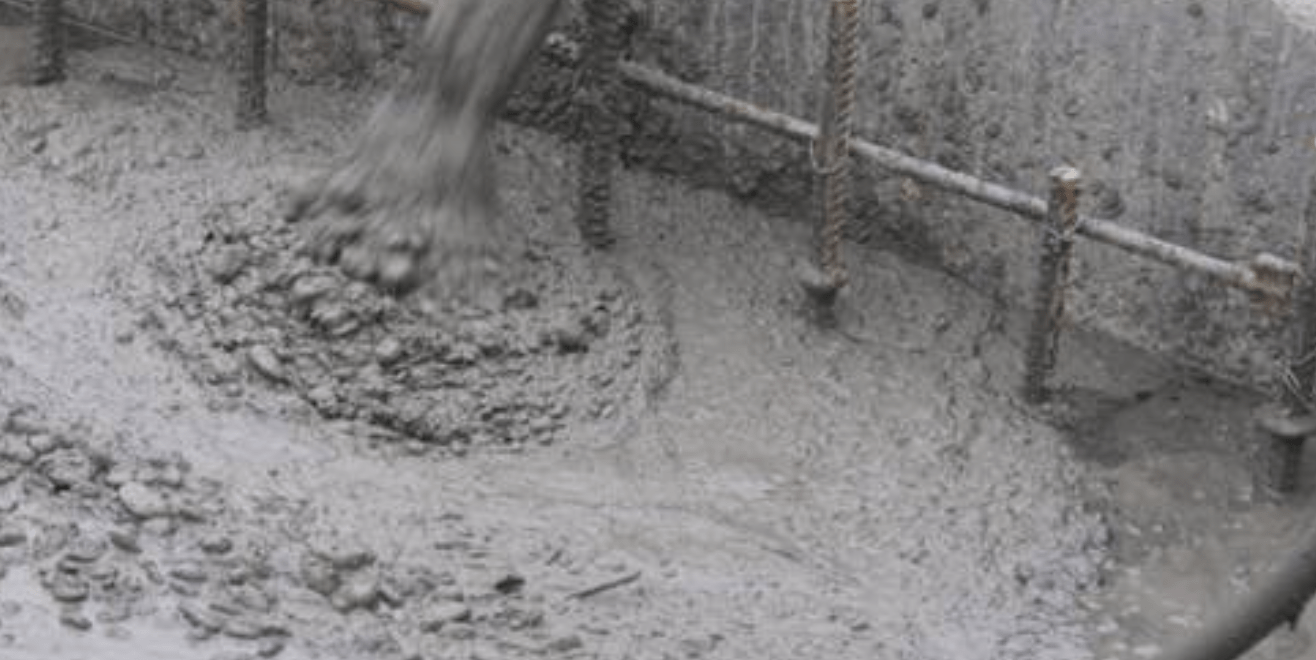
Employ tremie pipes (<2m drop height) and thorough vibration
-
Address water infiltration risks during pouring
-
Critical Quality Controls:
-
Verify embedded depth (1/3 length for cantilever piles, 1/4 for anchored)
-
Ensure proper main reinforcement positioning
-
Maintain the specified concrete strength
02 Cut and Fill Methods
Three Primary Approaches:
-
Landslide Cutting
-
Removes unstable material from thrust zones
-
Particularly effective for push-type landslides
-
-
Slope Reshaping
-
Creates uniform surfaces for protective measures
-
Form benches on long slopes
-
-
Cut-Fill Balance
-
Haul Method: For gentle slopes with distant fill areas
-
Cut-Push Method: For steep slopes with short distances (higher efficiency)
-
Construction Considerations:
-
Always cut from top down
-
Implement temporary drainage systems
-
Compact fill layers (20-50cm lifts) to 90-95% density
-
Properly dispose of excess material
Specialized Techniques:
-
Blasting Methods: For steep rock cuts
-
Mass blasting for large volumes
-
Smooth blasting for final faces
-
-
Safety Monitoring: Establish danger zones and displacement networks
03 Anchor Cable Systems
Common Applications:
-
Pile-Anchor Combinations: For deep piles with high bending demands
-
Lattice Anchors: For slope and reservoir bank stabilization
-
Single Anchors: For rockfall prevention
Construction Sequence:
-
Drilling
-
Use air-powered DTH hammers (100-150mm diameter)
-
Maintain <2% deviation over length
-
-
Cable Assembly
-
Fabricate after the final hole measurement
-
Install corrosion protection for free lengths
-
Space centralizers at 1-2m intervals
-
-
Grouting
-
Primary grout: Cement slurry or mortar
-
Secondary grout: High-pressure (5MPa+) after initial set
-
-
Tensioning
-
Staged loading to 100-120% design force
-
Lock-off at 80-90% of test load
-
Protect anchor heads after trimming
-
Challenging Ground Conditions:
-
Use casing systems for unstable holes
-
Employ grout sealing for fractured zones
-
Complete the installation promptly after drilling
04 Lattice Frame Slope Protection
Structural Components:
-
Anchor rods (Φ100, 4-20m depth)
-
Reinforced concrete frames (30-60cm depth)
-
Infill (dry or mortared stone)
Construction Steps:
-
Slope Preparation
-
Create uniform surfaces with benches
-
Install drainage where needed
-
-
Anchor Installation
-
Drill, grout, and test sample rods
-
-
Frame Construction
-
Excavate trenches
-
Install reinforcement and pour concrete
-
Use specialized formwork for steep slopes
-
-
Infill Placement
-
Select durable, well-shaped stones
-
Maintain proper drainage paths
-
Method Selection Guide:
-
<20°: Dry stone
-
20-25°: Mortared stone or concrete frames
-
25-30°: Anchored frames with dry stone
-
30°: Anchored frames with mortared stone
05 Stone Retaining Walls
Design Features:
-
Gravity-type structures (height typically <6m)
-
Stepped foundations (0.5-1.5m embedment)
-
Variant designs with supporting piles
Construction Process:
-
Layout and Foundation
-
Verify bearing capacity
-
Excavate to competent strata
-
-
Masonry Work
-
Use sound rock (>30cm pieces)
-
Maintain M7.5-M10 mortar quality
-
Build in 3-4 stone courses per lift
-
-
Critical Details
-
Install weep holes (Φ60-80mm at 2m spacing)
-
Include expansion joints (10-20m intervals)
-
Backfill with free-draining material
-
Quality Checks:
-
Alignment and dimensions
-
Mortar strength and coverage
-
Drainage functionality
06 Drainage Systems
Surface Drains:
-
Construction Sequence:
-
Align with natural flow paths
-
Excavate trapezoidal/rectangular channels
-
Build mortared stone structures
-
-
Key Features:
-
Energy dissipation at steep sections
-
Regular maintenance access
-
Subsurface Drains:
-
Drainage Galleries:
-
1-2m cross sections
-
Concrete-lined with a 5% slope
-
-
Relief Wells/Radial Drains:
-
Connect to the gallery network
-
Surface collection systems
-
07 High Slope Hazard Mitigation
Prediction Methods:
-
Slope Structure Analysis: Identifies failure modes based on:
-
Structural planes
-
Rock mass properties
-
Excavation geometry
-
-
Stability Analogues: Compares with natural slope angles
-
Numerical Modeling: Predicts excavation disturbance zones
Prevention Strategies:
-
Design Philosophy: Control deformation during construction
-
Key Principles:
-
Comprehensive treatment
-
Strengthen base/midslope
-
Environmental protection
-
-
Pre-reinforcement Techniques:
-
Anchors before excavation
-
Micropile walls
-
Limited blast designs
-
Construction Monitoring:
-
Displacement measurements
-
Structural load verification
-
Groundwater observation
Conclusion
Effective landslide and slope stabilization requires integrated approaches combining proper investigation, tailored design, and controlled construction. The seven technologies presented—from anti-slide piles to advanced drainage—provide solutions for diverse slope challenges. Successful implementation depends on understanding geological conditions, selecting appropriate methods, and maintaining rigorous quality control throughout construction.