
Introduction
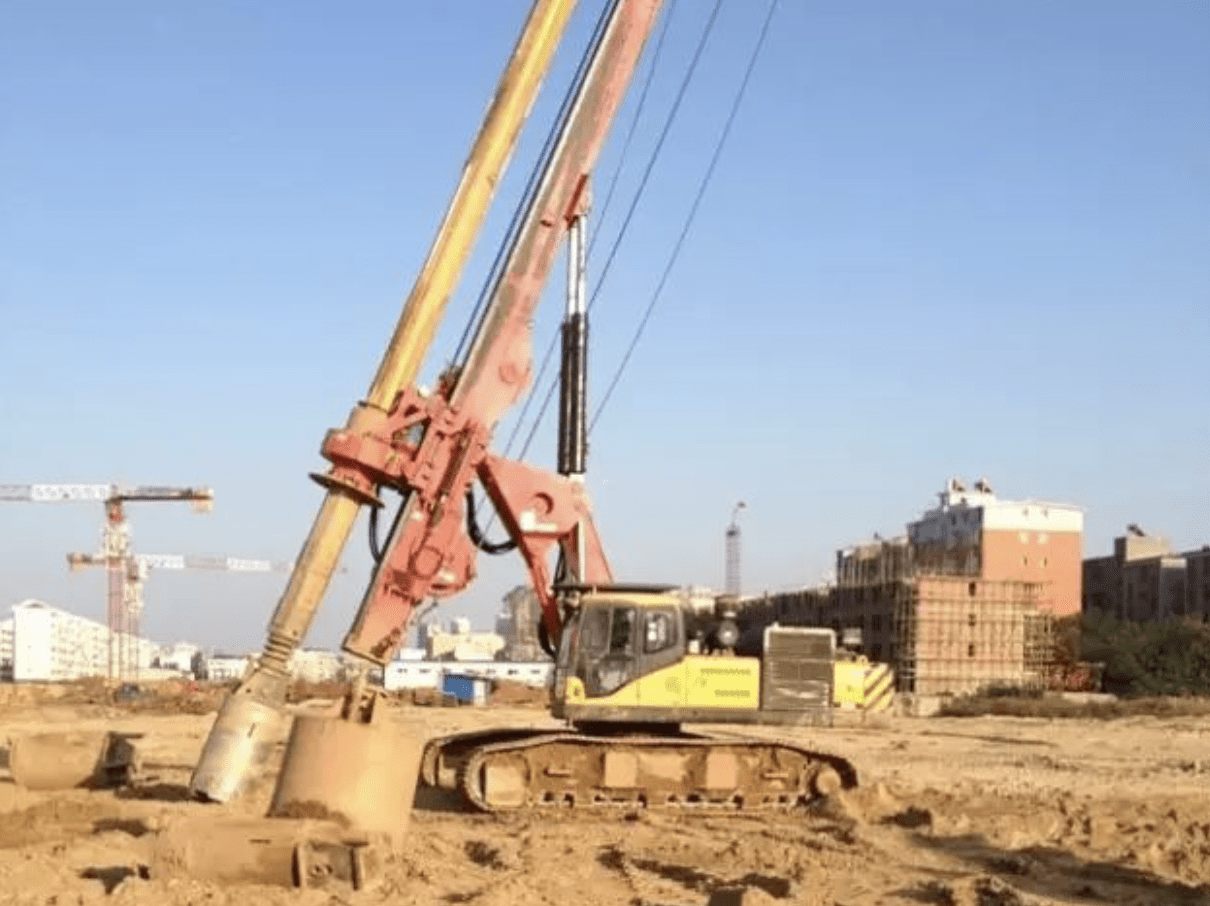
The fuel consumption of rotary drilling rigs during construction is influenced by various factors such as geological structure, drilling tools used, and operational methods. By mastering certain techniques in daily operation and maintenance, operators can not only save fuel and improve equipment efficiency but also reduce environmental pollution. This article summarizes practical fuel-saving tips for rotary drilling rig operation and maintenance, providing valuable insights for users.
Fuel-Efficient Operation Methods
(1) Proper Use of Idle Speed Function
A typical 280-type rotary drilling rig consumes approximately 5L/h at throttle position 1 when idling, while at throttle position 11, fuel consumption can reach 18L/h. To avoid unnecessary fuel waste and engine damage, prolonged idling should be avoided.
For short pauses, utilizing the auto-idle function helps save fuel. When activated, the hydraulic system control lever returns to neutral, and after 5 seconds, the engine speed automatically reduces to (1400±50) rpm. Once work resumes, the engine immediately returns to its original speed.
(2) Optimal Selection of Drilling Tools and Techniques
Choosing the right drilling tools based on geological conditions and rig status can reduce load, increase drilling speed, save fuel, and protect components such as drill rods.
-
High-quality carbide-tipped drill bits or roller cone bits improve drilling efficiency in hard rock formations, reducing wear and fuel consumption.
-
Properly sized drill rods minimize fuel usage during lifting and lowering operations.
Improving Drilling Efficiency:
-
For large-diameter piles, start with a smaller drill bit before switching to a larger one for reaming, reducing resistance and enhancing efficiency.
-
Adjust pressure methods based on ground conditions:
-
Intermittent pressure for hard strata.
-
Long-stroke pressure for loose, uniform soils.
-
Lift-and-press method for gravel and boulder formations.
-
Optimizing Powerhead Speed & Pressure:
Improper settings can lead to “powerhead stalling” (excessive load causing hydraulic overflow), increasing fuel consumption, and hydraulic oil temperature. Operators should:
-
Reduce pressure gradually to allow the powerhead to restart.
-
Reverse rotation or lift the drill rod if necessary to prevent jamming.
-
Use rotary assist when lifting to reduce resistance and fuel usage.
(3) Throttle Control for Different Operations
A typical drilling cycle includes:
-
Lowering the drill rod
-
Powerhead drilling
-
Reverse rotation (pre-lifting)
-
Lifting the drill rod
-
Upper structure rotation (for soil discharge)
-
Return to position
Key fuel-saving insights:
-
The highest fuel consumption occurs during the drilling and lifting phases.
-
Running the engine at maximum throttle unnecessarily wastes fuel and strains components.
-
Lower throttle settings (e.g., 4th gear for soft soil, 8th gear for rock) improve fuel efficiency with minimal impact on productivity.
Example:
A 280-type rig with Φ508mm drill rods and 1m barrel drill shows:
-
Throttle 9 vs. 11:
-
10% lower engine speed
-
Only 4% slower operation
-
15% fuel savings
-
13% higher fuel efficiency
-
Guidelines:
-
Tight deadlines: Use throttle 7-10.
-
Flexible schedules: Throttle 3-6 is more economical.
Walking Speed Optimization:
Due to stability concerns, rotary rigs typically have a max walking speed of 2 km/h. Lower engine speeds during movement reduce fuel consumption and improve safety.
Fuel-Saving Maintenance Practices
(1) Keep Air Filters Clean
A clogged air filter increases airflow resistance, reduces combustion efficiency, and raises fuel consumption by 5%.
Maintenance Tips:
-
Inspect and clean every 100 hours.
-
Replace every 500 hours.
-
Clean with compressed air, water pressure, or detergent (never by hitting).
-
Ensure complete drying before reinstallation.
(2) Regular Fuel System Maintenance
Contaminated fuel accelerates wear in precision components (e.g., injectors), reducing power and increasing fuel use.
Key Actions:
-
Replace fuel filters (primary & secondary) on schedule.
-
Check for leaks or damage in fuel pumps and injectors.
-
Use high-quality diesel; low-grade fuel increases consumption and shortens component life.
(3) Timely Engine Oil Changes
Using incorrect oil or delaying changes increases engine wear and fuel consumption.
Best Practices:
-
Follow the manufacturer-recommended oil grade and viscosity.
-
Adhere to scheduled replacement intervals.
(4) Additional Maintenance Tips
-
Adjust track tension and remove mud buildup to reduce walking resistance.
-
Keep hydraulic oil and coolant radiators clean to maintain optimal temperatures.
Conclusion
Rotary drilling rigs operate under highly variable loads, leading to significant fuel consumption. Implementing these operation and maintenance strategies can enhance fuel efficiency, lower costs, and extend equipment lifespan. Additionally, manufacturers should continue innovating with hybrid and smart drilling rigs to further reduce fuel usage.
By adopting these best practices, operators can achieve higher profitability and sustainability in drilling operations.