
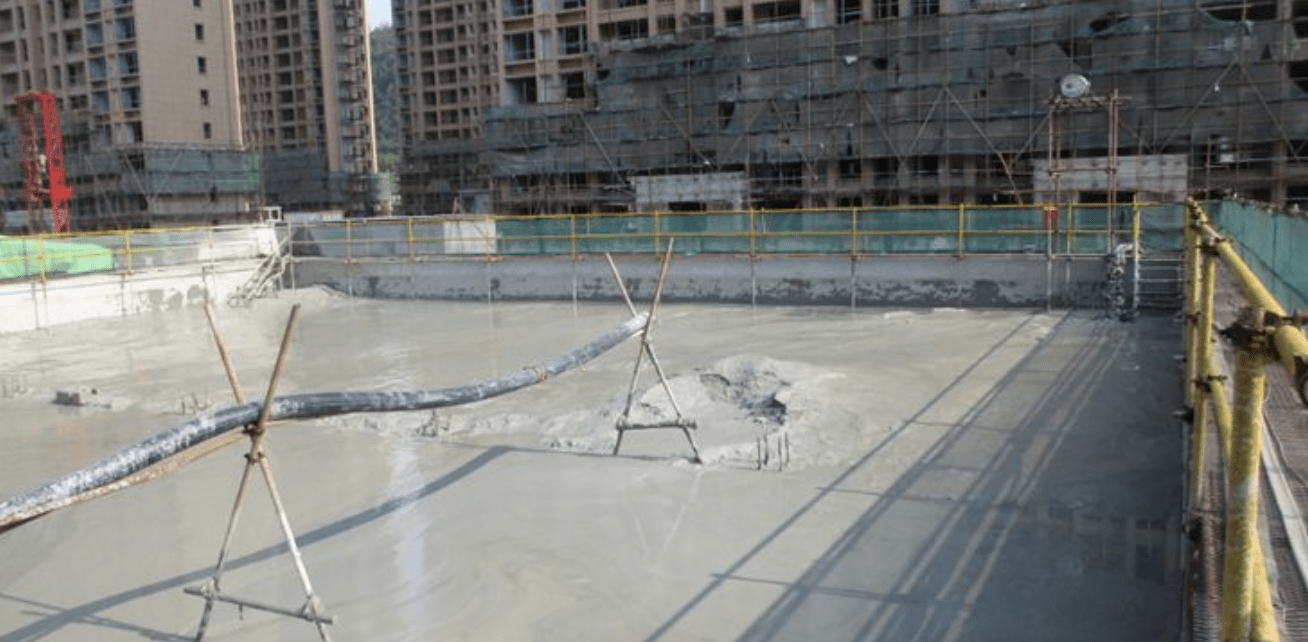
1. Construction Preparation
1.1 Work Preparation
-
Ensure all above-ground and underground obstacles are cleared, achieving “Three Supplies and One Leveling” (water, electricity, road access, and leveled ground). Temporary construction facilities must be ready.
-
Site hardening, temporary roads, slurry pits, and clean water pools should facilitate construction while complying with civilized construction requirements.
-
Plan the drilling machine’s entry/exit routes and drilling sequence, and finalize the construction plan.
1.2 Material Requirements
-
Ready-mix concrete (strength grade as per design).
-
Reinforcement steel: Must meet design specifications for type, grade, and size, with valid product certificates, factory test reports, and on-site re-inspection reports.
1.3 Construction Equipment
Ensure all machinery (e.g., drilling rigs, mixers, pumps) is operational and meets project demands.

2. Quality Requirements
2.1 Bored Pile Reinforcement Cage Inspection Standard
Comply with the Code for Acceptance of Construction Quality of Building Foundations (GB50202-2002).
2.2 Pile Position Deviation
-
Pile top elevation must exceed design height by ≥0.5m.
-
For every 50m³ of concrete, one test sample is required; piles <50m³ require one sample per pile.
2.3 Bored Pile Quality Standards
Adhere to GB50202- 2002 specifications.
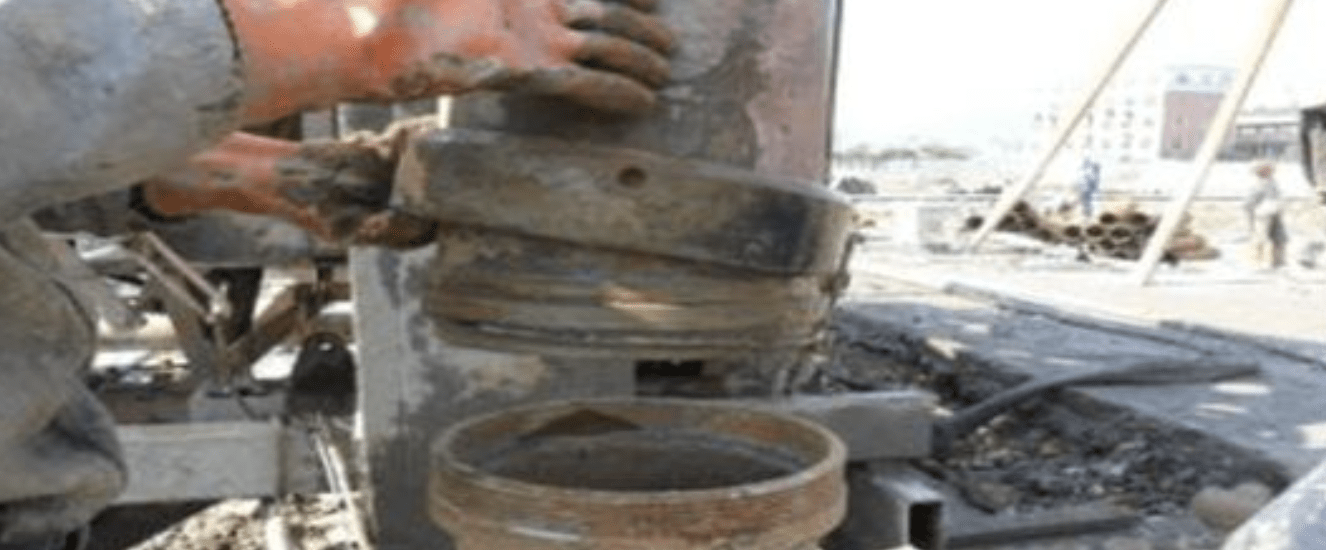
3. Construction Process
3.1 Workflow Diagram
(Refer to site-specific flowchart.)
3.2 Preparatory Steps
-
Three Supplies and One Leveling: Complete before commencement.
-
Data Review: Study geological reports, drawings, and the Technical Code for Building Pile Foundations.
-
Pre-construction Checks: Inspect machinery, drill bits, cables, and safety systems.
-
Obstacle Removal: Clear all debris (rocks, roots, pipelines) and backfill low areas.
-
Slurry Pit Setup: Size pits based on daily pile volume; arrange timely slurry disposal.
-
Concrete Mix Design: Secure lab-approved mix ratios and material certifications.
3.3 Survey & Positioning
-
Engage surveyors to mark pile locations with concrete-protected control points.
-
Use total stations and levels to establish a site control network, verified by supervisors.
3.4 Casing Installation
-
Accuracy: Center deviation ≤20mm; tilt ≤1%.
-
Specs: 4–8mm steel casing, 200mm wider than pile diameter, with overflow holes.
-
Depth: ≥1.5m in clay; ≥2.0m in sand; 30cm above ground.
3.5 Rotary Drilling
-
Initial Drilling: Low speed, light pressure, and ample slurry circulation.
-
Layer-Specific Parameters: Adjust speed, pressure, and slurry flow based on soil type.
-
Rock Entry Detection: Monitor drill vibration, speed, and cuttings to confirm bedrock.
3.6 Reinforcement Works
-
Material Checks: Verify steel mill certificates, conduct tensile tests, and inspect for defects.
-
Cage Fabrication:
-
Space stiffeners at 2m intervals, welded to main bars.
-
Limit same-section joints to ≤50% of total bars; lap length = 10× bar diameter.
-
-
Tolerances:
-
Main bar length: ±100mm
-
Cage diameter: ±10mm
-
Spiral spacing: ±20mm
-
3.7 Concreting
-
Method: Tremie pipe with initial concrete surge to prevent segregation.
-
Key Controls:
-
Slump: 180–220mm
-
Continuous pouring (2–4 hours max)
-
Maintain 2–6m pipe embedment; measure pile top elevation (min. 1.5m overpour).
-
3.8 Post-Grouting
-
Timing: After concrete reaches 70% design strength (within 2–20 days).
-
Parameters:
-
Pressure: ≤2.0MPa
-
Cement: ≥2 tons/pile; water-cement ratio = 0.5–0.6
-
4. Defect Prevention & Remediation
4.1 Common Issues & Solutions
| Defect | Causes | Prevention |
|---|---|---|
| Pile Deviation | Survey errors, misaligned rig | Recheck positions; precise machine setup |
| Necking | Collapsed bore; fast pipe extraction | Optimize slurry; control pipe withdrawal |
| Slurry Inflow | Poor seals; low concrete reserve | Test pipes; ensure adequate initial pour |
| Rebar Cage Float | Upward concrete pressure | Weld bottom anchors; slow initial pour |
4.2 Remedial Methods
-
Re-drilling: For severe defects (costly but reliable).
-
Grouting: Strengthen weak zones via high-pressure cement injection.
-
Design Adjustments: Modify pile type/location or reduce structural loads.
5. Quality Management
5.1 Inspection Protocol
-
Self-checks: Mandatory before supervisor reviews.
-
Documentation: Daily logs, updated pile maps, and as-built tables.
5.2 Handover Requirements
-
Submit test reports, as-built drawings, and defect remediation records.