
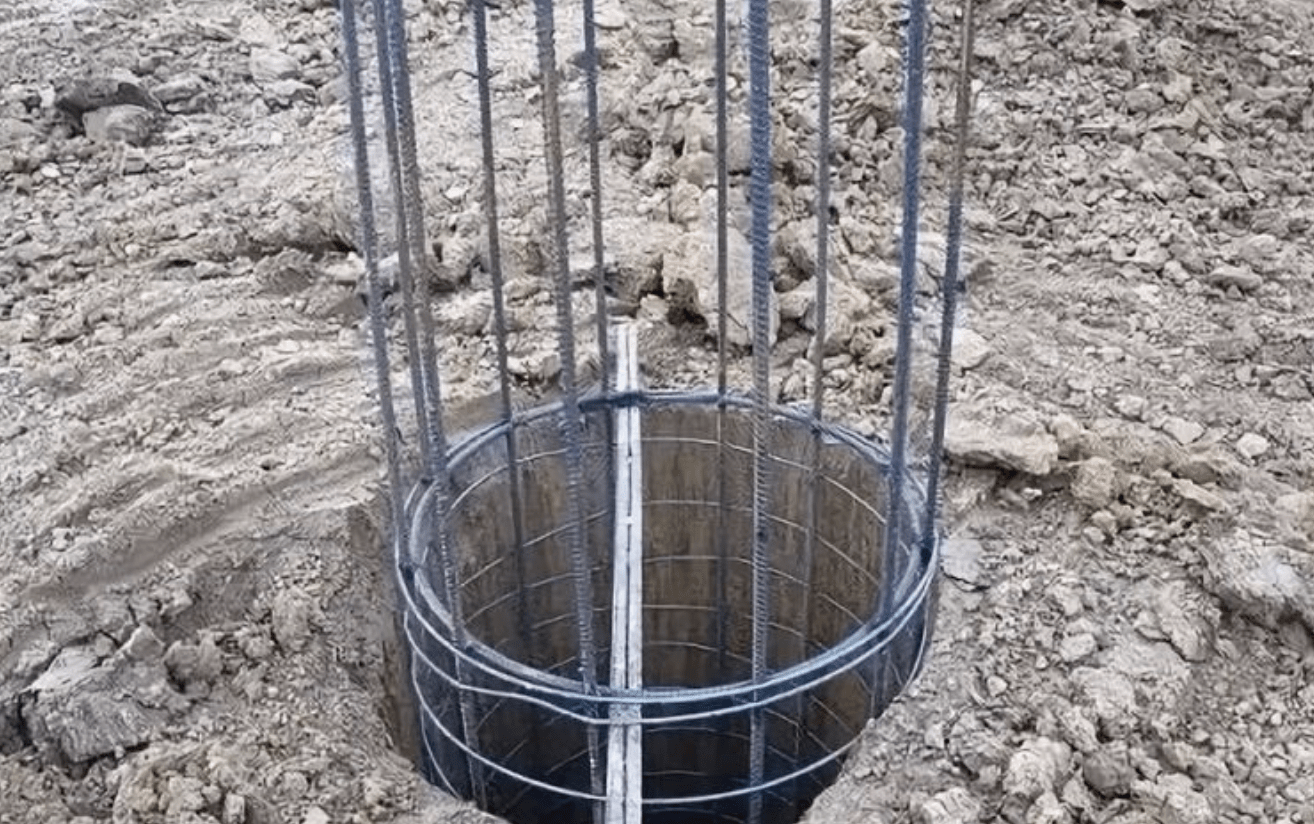
A proper foundation trench inspection is critical for ensuring building safety and structural integrity. This comprehensive guide outlines the mandatory requirements, preparation steps, inspection processes, key focus areas, methodologies, and solutions for problematic soil conditions – all following international construction best practices.
01 Required Documentation for Trench Inspection
Before conducting any foundation inspection, the following documents must be available:
-
Detailed geotechnical investigation report from the feasibility study phase
-
Structural drawings, including foundation plans and technical specifications
-
All other relevant construction records or approval documents
02 Pre-Inspection Preparation
Thorough preparation ensures effective trench evaluation:
-
Compare design specifications (bearing capacity, load-bearing strata) with geotechnical report data
-
Verify construction site matches the surveyed area in reports
-
Identify potential weak underlying strata on-site
-
Check for uneven terrain requiring special treatment per the recommendations
-
Obtain underground utility maps and subsurface facility records from project owners
03 Standard Inspection Workflow
-
Contractor self-inspection and formal application submission
-
Organized inspection by project stakeholders:
-
Led by Chief Engineer or Owner’s Project Manager
-
Participation from construction, supervision, survey, design, and contractor teams
-
04 Key Inspection Focus Areas
Natural Foundation Inspection
Mandatory Checks:
-
Verify excavation dimensions, depth, and location against design
-
Confirm soil conditions and groundwater status match the data
-
Detect voids, ancient structures, buried utilities, or underground features
-
Assess the soil disturbance extent from excavation activities
-
Evaluate frost, desiccation, or water erosion impacts
Pre-Inspection Requirement:
-
Conduct light dynamic penetration tests across the entire excavation base
Exemption Cases:
-
When pressurized groundwater risks a sand/water eruption
-
1m thick gravel/pebble load-bearing strata
-
1.5m thick uniform dense sand layer
Improved Ground Inspection
-
Replaced/Compacted Soil: Verify density and uniformity test reports
-
Composite Foundations: Check pile alignment, heads, and inter-pile soil quality
-
Special Soils: Validate treatment effectiveness (collapsibility, liquefaction, etc.)
Pile Foundation Inspection
-
For soil-pile interaction designs, inspect inter-pile soils after excavation
-
For manual excavation piles, examine end-bearing strata; large-diameter piles require per-hole inspection
05 Inspection Methodologies
Visual Examination
-
Evaluate sidewalls and base soils against reports
-
Check excavation depth and undisturbed soil conditions
-
Assess slope stability risks (seepage, adjacent loads, vibrations)
-
Identify historical structures or underground features
-
Use pocket penetrometers for supplementary verification
Light Dynamic Penetration Testing
Inspection Targets:
-
Bearing stratum strength and uniformity
-
Shallow weak zones or hard inclusions
-
Buried anomalies affecting stability
Implementation Standards:
-
Prefer automated mechanical operation
-
Maintain specified depth/spacing parameters (refer to industry tables)
-
Backfill test holes with compacted sand
06 Problematic Soil Treatment Solutions
Address localized soil issues based on engineering requirements:
Hard Soil Zones:
-
Excavate and replace with compatible backfill
-
Alternative: Install engineered cushion layers for stress distribution
Soft Soil Zones:
-
Shallow deposits: Replace with graded sand-gravel layers (compaction ≥0.94)
-
Deep deposits: Implement local ground improvement:
-
Bored piles to bedrock
-
Reinforced concrete/stone support walls
-
This technical protocol ensures compliance with international construction standards while optimizing foundation performance. Proper implementation prevents differential settlement and guarantees long-term structural stability.