
With the continuous development of science and technology, bored piles are widely used in high-rise buildings, super high-rise structures, and bridges. The quality of construction significantly affects the bearing capacity of the piles, making bored pile construction a critical step in bridge engineering. What are the construction techniques involved? And what common accidents might occur during the process?
Construction Flowchart
1. Site Preparation
- Dry Land: Level and compact the ground.
- Shallow Water: Use the island construction method (sand blowing for island formation).
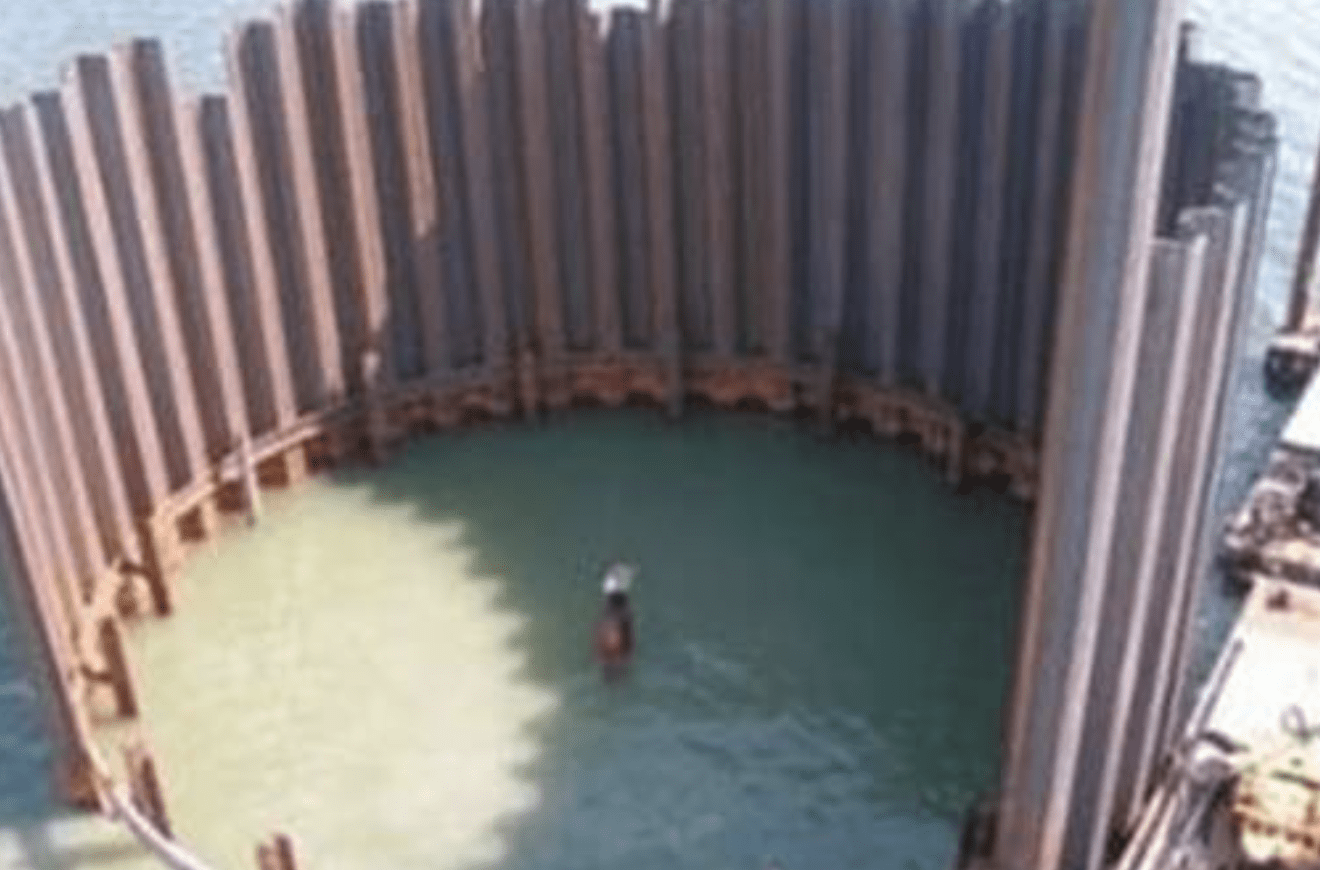
- Deep Water: Utilize cofferdam methods (double-wall steel cofferdam, caisson island, or sheet pile cofferdam).
2. Pile Position Marking
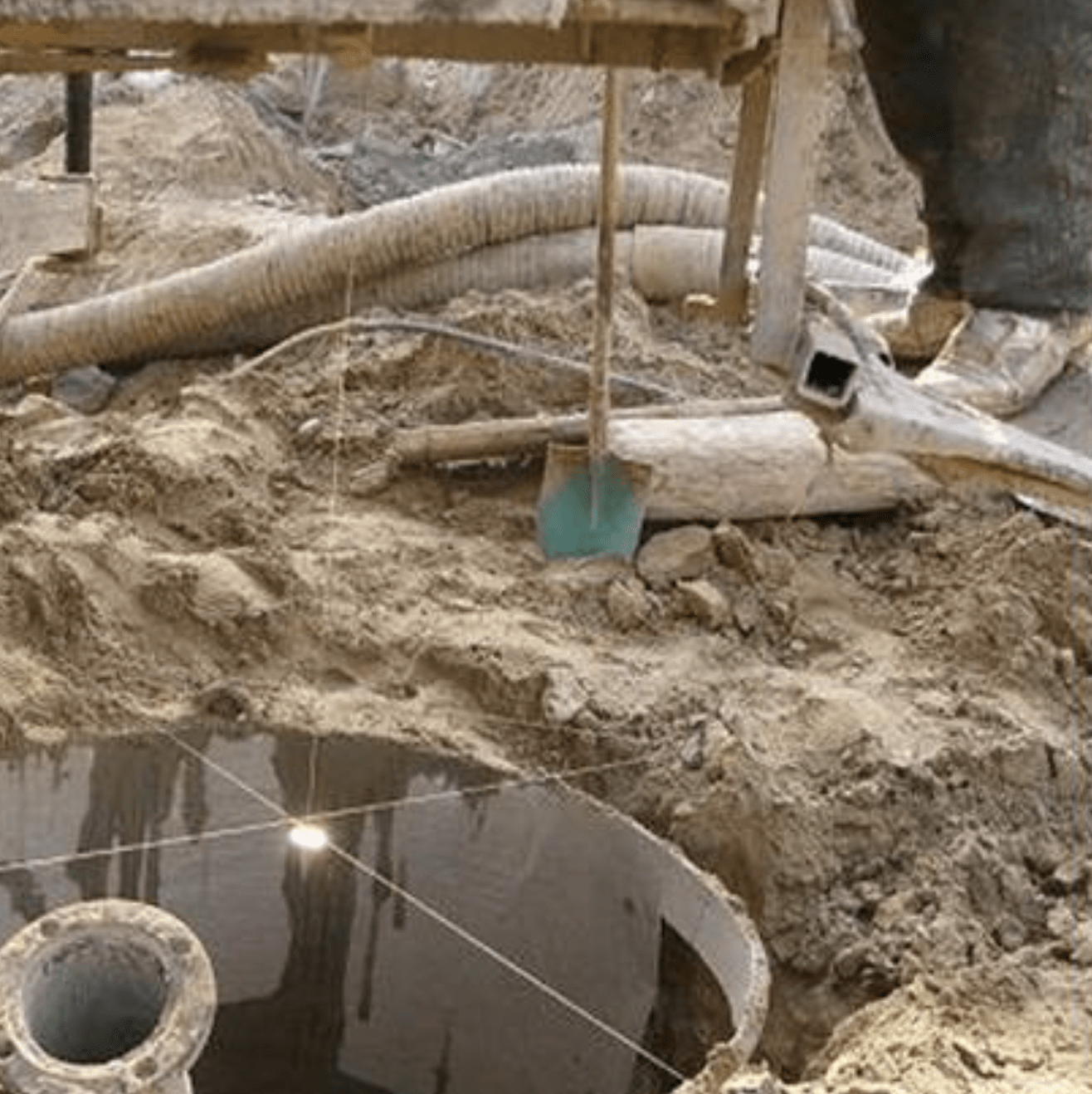
Pile positions are marked using a total station coordinate method. After setting the casing, markings are made around it.
3. Casing Installation
Functions of Casing:
- Fixes the pile position.
- Protects the hole opening.
- Prevents surface water inflow.
- Increases internal water pressure to avoid collapse.
- Guides the drill bit direction.
Requirements:
- Made of reinforced concrete or steel (4–8 mm thick for steel, 8–10 cm for concrete).
- The inner diameter should be 20–40 cm larger than the pile design diameter.
- Installation depth: 2–4 m (minimum 1.0 m in clay, 1.5 m in sandy soil).
4. Mud Preparation
Functions of Mud:
- Stabilizes the whole wall.
- Suspends drill cuttings.
- Lubricates drilling tools.
- Facilitates circulation for debris removal.
Composition:
- Water (pH 7–8, impurity-free).
- Clay (plasticity index >25).
- Additives (e.g., soda ash for dispersion).
Key Mud Parameters:
- Density: 1.03–1.1
- Viscosity: 17–20 s
- Sand content: <2%
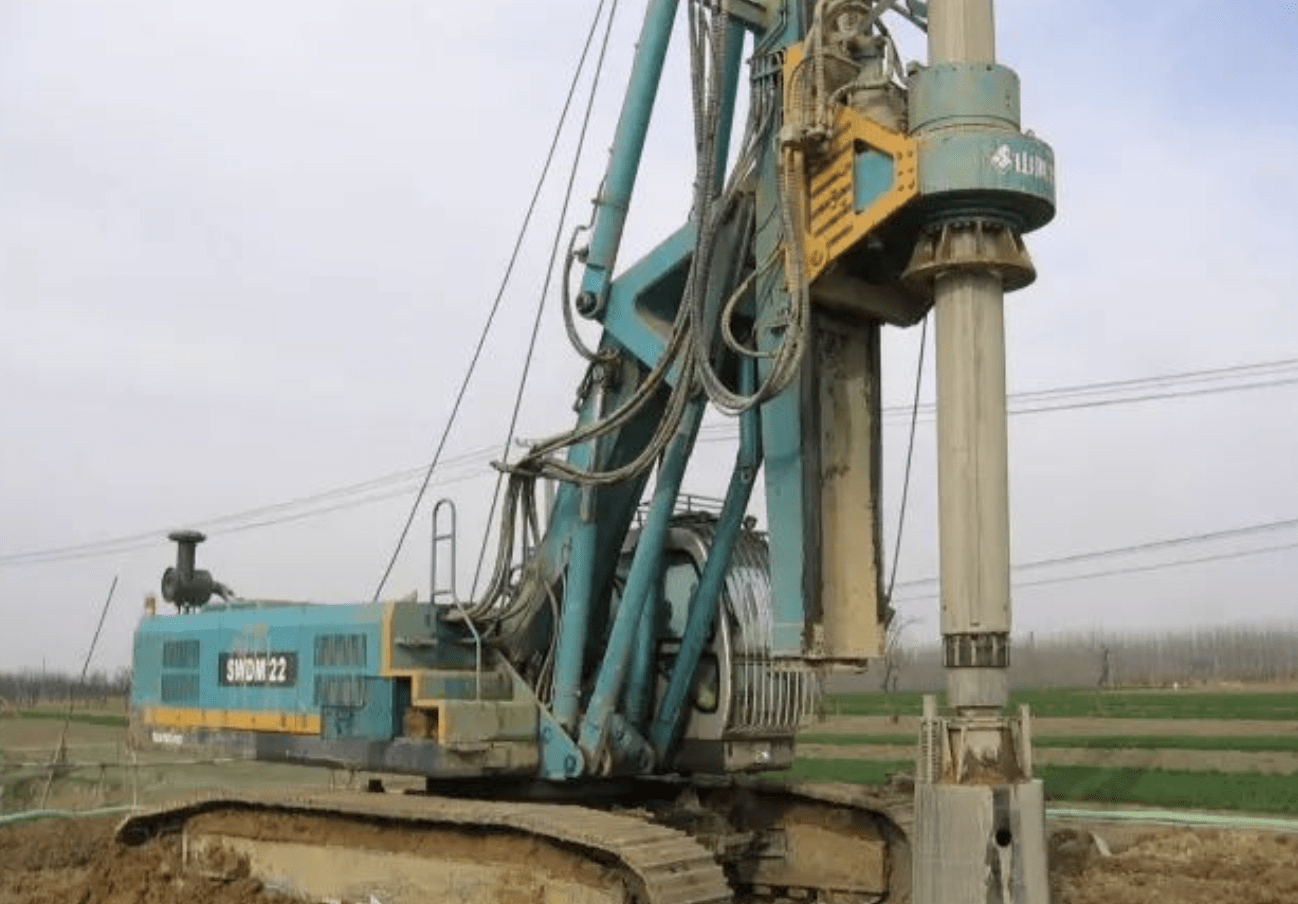
5. Drilling Rig Setup
Requirements:
- Must support the weight of drilling tools.
- Maintain stability to prevent displacement or tilting.
- Proper alignment with the pile center.
6. Drilling
Common Drilling Methods:
- Impact Drilling:
- Suitable for various soil types.
- Uses a cross-shaped drill bit with varying stroke heights.
- Full-Section Casing Grab Drilling:
- No noise or vibration.
- Ideal for visual soil inspection.
- Direct Circulation Drilling:
- Simple operation, but slower.
- Best for clay, silt, and gravel layers.
- Reverse Circulation Drilling:
- Efficient debris removal.
- Higher risk of hole collapse.
- Rotary Drilling:
- Suitable for sandy and cohesive soils.
- Maximum hole diameter: 1.5–4 m.
7. Final Hole & First Cleaning
Purpose: Remove sediment to ensure proper bonding between concrete and bedrock.
Methods: Slurry pumping, mud replacement, or manual debris removal.
Inspection Criteria:
- Hole depth, diameter, and verticality.
- Mud properties (density, viscosity, sand content).
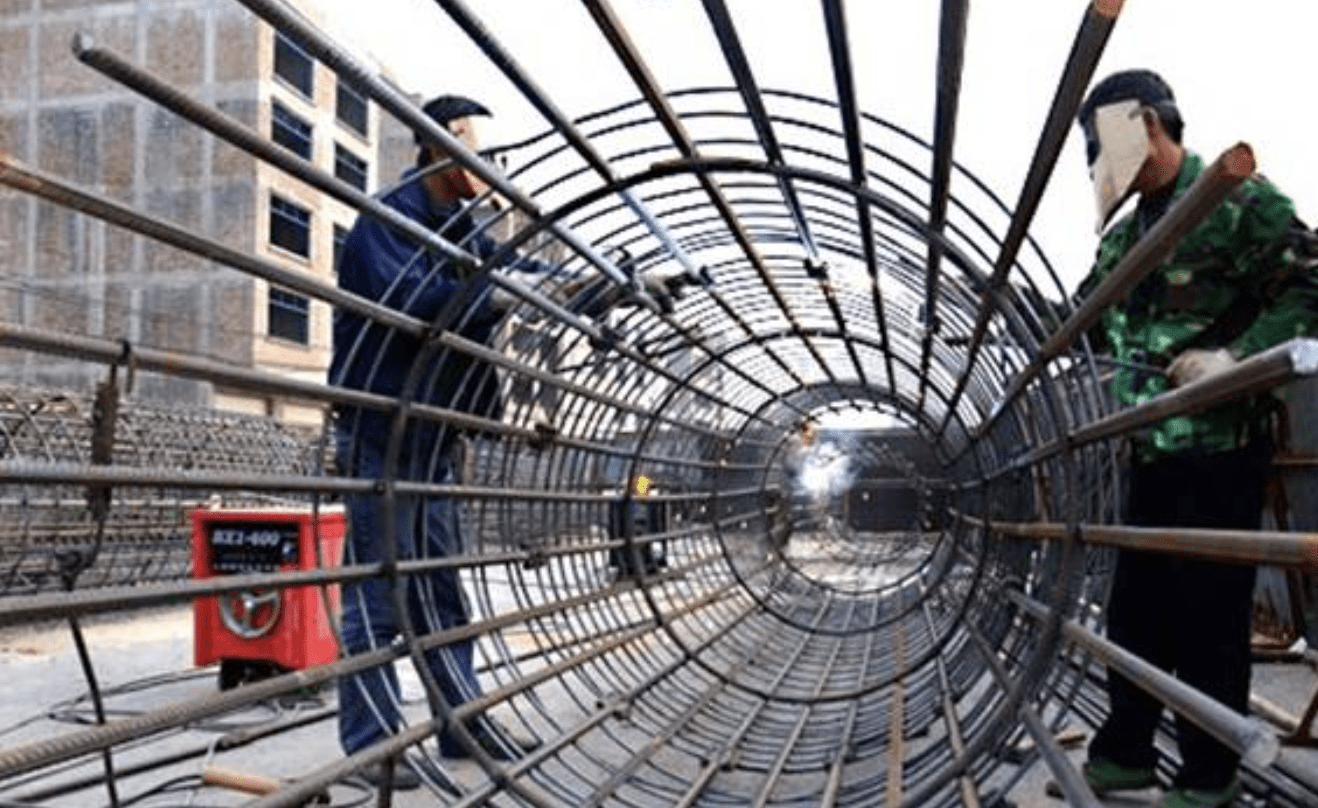
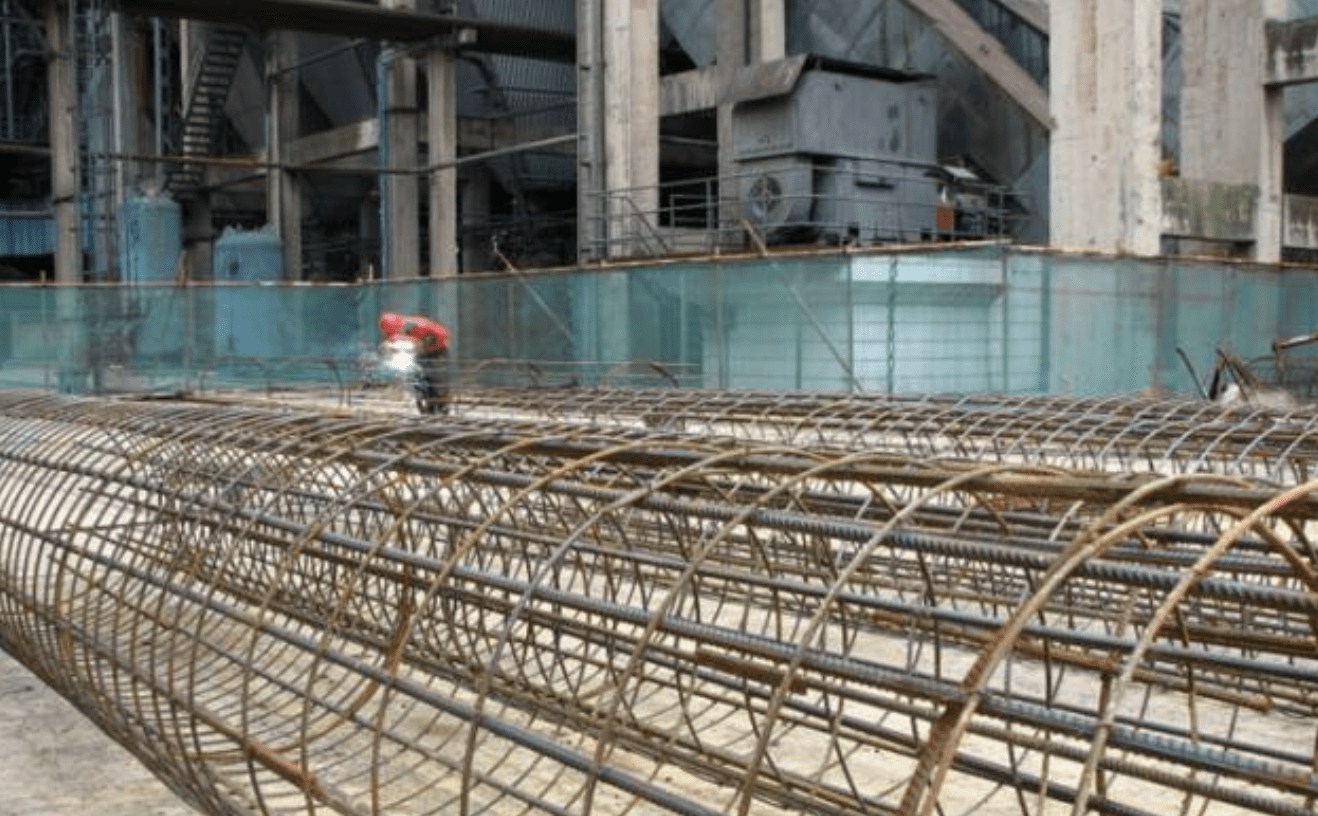
8. Reinforcement Cage Fabrication & Installation
Key Points:
- Use reinforcing hoops (14–18 mm diameter) every 2–2.5 m.
- Ensure proper cover thickness.
- Avoid deformation during transport.
- Weld seams must be full-length (10d for single-side welding, 5d for double-side).
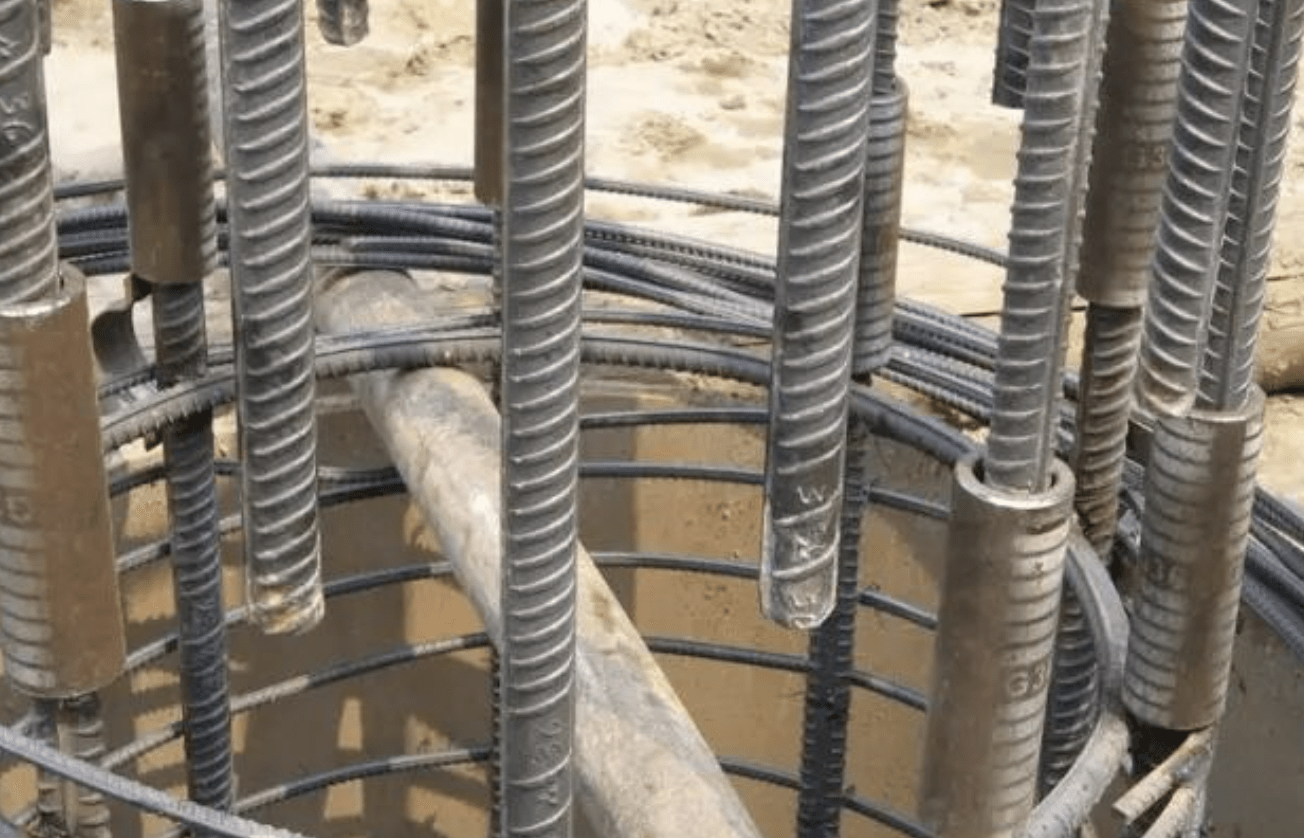
9. Secondary Hole Cleaning
After installing the reinforcement cage, sediment may settle, requiring a second cleaning using a vacuum circulation system.
10. Underwater Concrete Pouring
Requirements:
- Concrete strength should be one grade higher than the design.
- Good workability and proper mix design.
- Use the tremie method for pouring.
Process:
- Fill the tremie pipe before pouring.
- The initial concrete volume must submerge the pipe by >0.8 m.
- Maintain a pipe embedment depth of 2–6 m during pouring.
11. Prevention & Handling of Drilling Accidents
- Hole Collapse:
- Causes: Weak mud, low water head, improper casing installation.
- Solutions: Increase mud density, refill collapsed sections, stabilize water levels.
- Drilling Deviation:
- Causes: Uneven strata, misaligned drill rig.
- Solutions: Adjust drilling speed, use guide frames, and correct bent drill pipes.
- Drill Bit Drop or Tool Loss:
- Causes: Broken wires, poor welding, operational errors.
- Solutions: Use retrieval tools (hooks, loops), clear debris first.
- Bit Clogging & Burying:
- Occurs in: Soft clay layers.
- Solutions: Reduce drilling speed, clean the bit, and adjust mud viscosity.
- Hole Enlargement or Shrinkage:
- Causes: Wall collapse or worn drill bits.
- Solutions: Repair drill bits, use high-quality mud, and ream the hole.
- Mud Leakage:
- Causes: Permeable strata, poor casing sealing.
- Solutions: Thicken mud, reinforce the hole wall, and seal gaps.
By following these procedures and precautions, the quality and safety of bored pile construction in bridge engineering can be significantly improved.