
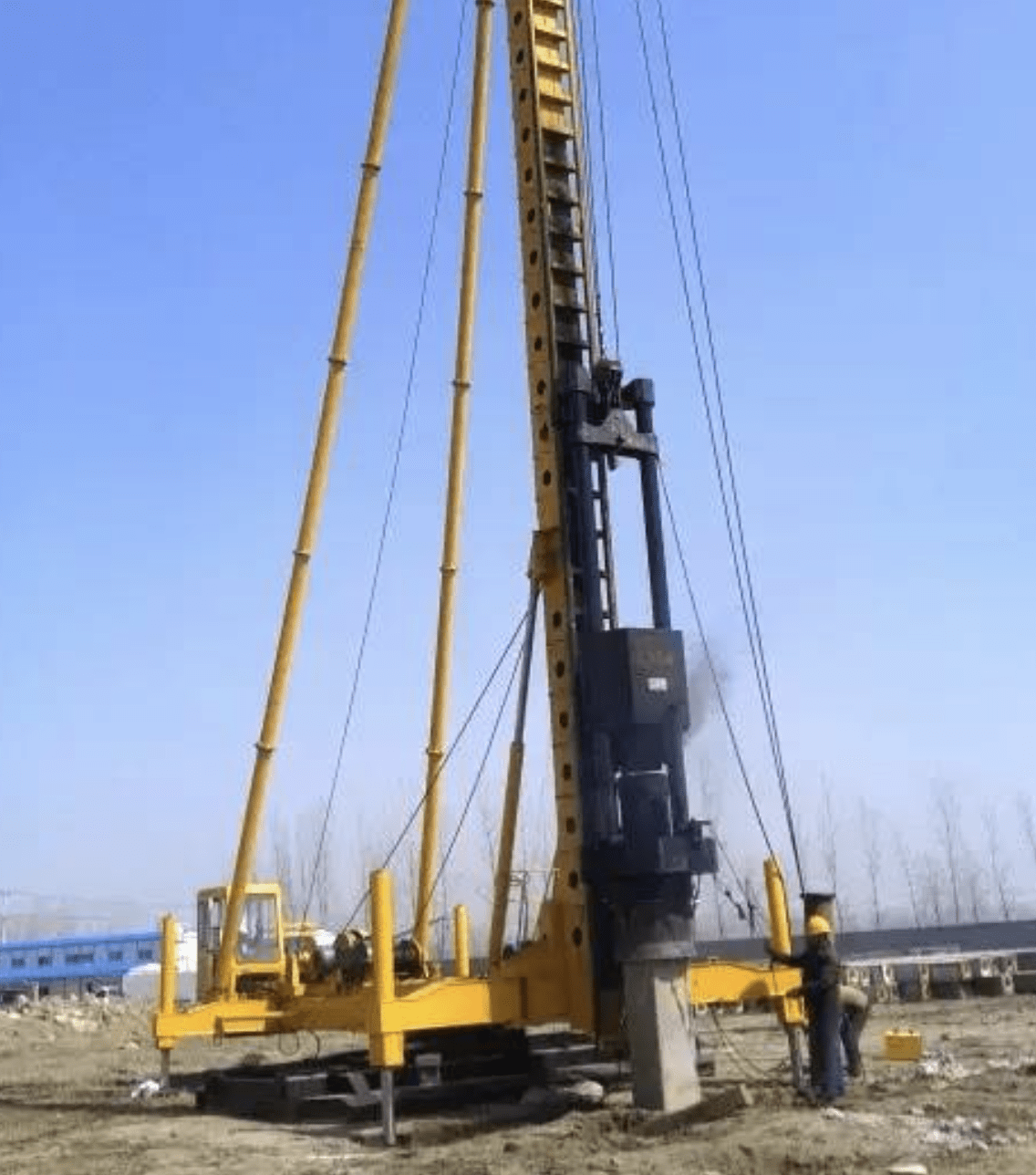
Introduction to Pile Foundations
1. Basic Concepts of Pile Foundations
Pile foundations represent one of the most widely used deep foundation systems in construction. They consist of multiple piles driven into the ground and connected at the top by a pile cap or capping beam.
2. Functions of Piles
Piles serve two primary functions in construction:
-
Transferring structural loads from upper building elements to deeper, more competent soil layers
-
Compacting weak soil strata to improve overall bearing capacity and density of foundation soils
3. Classification of Piles
By Load Transfer Mechanism
End-bearing piles:
-
Penetrate through weak soil layers to reach firm strata or bedrock
-
Primarily resists structural loads through tip resistance
-
Installation controlled by penetration rate, with pile tip elevation asa secondary reference
Friction piles:
-
Entirely embedded in compressible soil layers
-
Improve soil density and load-bearing capacity
-
Resist loads through combined tip resistance and shaft friction
-
Installation is primarily controlled by the design tip elevation
By Construction Method
Precast piles:
Installed using various methods:
-
Hammer driving
-
Water jetting
-
Vibratory hammers
-
Static pressing
Cast-in-place piles:
Formed by:
-
Drilling holes at pile locations
-
Installing reinforcement cages
-
Pouring concrete
Varieties include:
-
Bored piles
-
Dug piles
-
Impact-drilled piles
-
Driven cast-in-place piles
Prestressed Concrete Pipe Piles
1. Applications
-
PHC (Prestressed High-strength Concrete) and PC (Prestressed Concrete) piles: Suitable for industrial/civil buildings, transportation infrastructure, ports, hydraulic works, and municipal projects
-
PTC (Prestressed Thin-walled Concrete) piles: Limited to industrial/civil buildings
-
Seismic considerations:
-
PHC/PC piles: Maximum seismic intensity ≤7
-
PTC piles: Maximum seismic intensity <7 (requires verification at intensity 7)
-
-
Environmental requirements: Special measures needed for corrosive conditions
-
Primary design consideration: Vertical load resistance
2. Construction Methods
-
Impact driving:
-
Diesel hammers
-
Hydraulic hammers
-
-
Static pressing:
-
Clamp-type hydraulic presses
-
Top-pressing hydraulic presses
-
Combined clamp-top presses
-
Vibratory hydraulic presses
-
-
Pilot-hole driving
-
Drilling and planting
-
Center-drilling method (for diameters ≥600mm)
3. Diesel Hammer Operation Principles
Diesel pile hammers consist of:
-
Hammer assembly
-
Pile frame (either dedicated or adapted from excavators/cranes)
Types:
-
Guide rod type (simpler but lower energy)
-
Cylinder type (higher energy, more efficient – industry standard)
Four-Stroke Working Cycle:
-
Fuel injection & compression:
-
A falling piston activates the fuel pump
-
Diesel is injected onto the impact surface
-
Compressed air creates downward force
-
-
Impact & combustion:
-
Piston impact drives the pile
-
Fuel ignites under compression
-
The explosion forces the piston upward
-
-
Exhaust:
-
Burnt gases expelled
-
Fresh air is drawn in
-
-
Scavenging:
-
Complete exhaust clearance
-
Fuel system resets
-
Piling Equipment Specifications
1. Pile Helmets & Cushions
-
Helmet requirements:
-
Adequate strength, stiffness, and impact resistance
-
Cylindrical design (350-400mm depth)
-
20-30mm larger than the pile diameter
-
-
Cushioning systems:
-
Head cushion: 120mm thick (compressed)
Materials: jute, cardboard, plywood -
Hammer cushion: 150-200mm thick
Materials: hardwood or coiled steel ropes
-
2. Pile Extenders
-
Design requirements:
-
Cylindrical with sufficient strength
-
Length matching driving depth requirements
-
Ventilated base plate
-
Perfectly flat, perpendicular end surfaces
-
-
Types:
-
Socket type: 250-350mm depth
-
Pin type: 200-300mm length
(Not recommended for piles with residual slurry)
-
-
Installation: 1-2 cushion layers required
Piling Safety Protocols
-
Pre-operation checks:
-
Complete hammer seating verification
-
Full equipment inspection
-
-
Alignment requirements:
-
Mandatory coaxial alignment
-
Maximum 0.8% inclination tolerance
-
Guide-type helmets for eccentric prevention
-
-
Geotechnical considerations:
-
Initial free-fall penetration tests
-
Commence driving at <1.7m penetration
-
Continuous penetration monitoring
-
-
Termination criteria:
-
Immediate stop if <2cm settlement per 10 blows
-
Hammer rebound monitoring
-
Regular bolt tightening checks
-
-
Safety procedures:
-
Clean combustion chamber
-
The fuel pump neutral position at shutdown
-
Initial test strikes after pile changes
-
Proper tire cushioning during transport
-
Pipe Pile Installation Standards
Installation Requirements
-
Initial placement:
-
≤0.5% vertical deviation
-
Re-driving if necessary
-
-
Alignment maintenance:
-
Coaxial hammer-helmet-pile alignment
-
No forced correction in hard strata
-
Installation Suspension Criteria
-
Penetration anomalies
-
Pile head damage
-
Sudden inclination (>0.8%)
-
Ground heave/adjacent pile movement
-
Excessive blow counts:
-
PHC piles: ≤2,500 total blows
-
Final meter: ≤300 blows
-
-
Irregular rebound patterns
Quality Control Measures
1. Pre-construction
-
Material inspection:
-
Visual checks for defects
-
Welding/welding material verification
-
Equipment calibration
-
2. Construction Phase
-
Process monitoring:
-
Depth/termination criteria
-
Vertical alignment
-
Joint quality/welding intervals
-
Blow counts/penetration rates
-
Final meter performance
-
3. Post-construction
-
Quality verification:
-
Visual shaft inspection
-
Positional accuracy
-
Settlement measurements
-
NDT/load testing
-
This comprehensive guide covers all critical aspects of pile foundation engineering, from basic principles to advanced construction techniques and quality assurance protocols. Proper implementation of these standards ensures reliable foundation performance across various geotechnical conditions and project requirements.