
1. Vibratory Tube-Sinking Cast-in-Place Piles
Overview
Vibratory tube-sinking cast-in-place piles are constructed by vibrating a temporarily sealed-bottom pipe into the ground to the desired depth. After reaching the target depth, a reinforcement cage is placed inside the pipe, followed by concrete pouring. The pipe is then extracted using vibratory force, leaving the concrete and reinforcement underground to form the pile.
Suitable Soil Conditions
This method is ideal for soft soils, including:
-
Clay
-
Silt and silty soil
-
Sand
-
Artificial fill
Technical Specifications
-
Maximum pile length: 25m
-
Pile diameter: Up to 60mm
Advantages
-
Cost-effective: Saves up to 50% on steel compared to traditional driven precast concrete piles.
-
Lower construction costs: Reduces overall project costs by approximately 30% for the same load-bearing capacity.
-
Noise reduction: Produces less noise pollution compared to driven piles.
-
Simpler construction: Faster and easier than drilled piles, with no slurry disposal issues.
Disadvantages
-
Limited application: Only suitable for soft soil conditions.
-
Lower load capacity: Smaller diameter results in reduced single-pile bearing capacity.
2. Spiral Drilling Grouting Piles
Overview
Spiral drilling grouting piles are constructed using a long spiral drill to bore to the required depth. As the drill is withdrawn, high-pressure cement grout is injected into the hole. After extraction, a reinforcement cage is placed, and crushed stone is added. Multiple rounds of grout injection create a sand-free concrete pile.
Reinforcement Mechanism
-
High-pressure grout forms an expanded base at the pile tip, enhancing end-bearing capacity.
-
Continuous grout injection stabilizes the borehole walls, preventing collapse and improving side friction.
-
Load-bearing capacity is 1.5–2.0 times higher than conventional piles of the same size.
Suitable Soil Conditions
-
Fill soil
-
Clay
-
Silt
-
Sand
-
Gravel
Advantages
-
Higher load capacity than drilled or precast piles of the same dimensions.
-
Faster construction: 50% more efficient than conventional piles.
-
Eco-friendly: Low noise, no vibration, and minimal pollution—ideal for urban projects.
-
No additional stabilization is needed in water-bearing sandy or gravelly soils.
Disadvantages
-
Grout leakage occurs if construction is improper.
-
Quality issues if the water-cement ratio is not well controlled.
3. Bored Cast-in-Place Piles
Overview
Bored cast-in-place piles are constructed by mechanically drilling a hole and then filling it with concrete or reinforced concrete. Based on drilling techniques, they are classified into three types:
(A) Direct Circulation Rotary Drilling
-
Applicable soils: Clay, silt, sand, gravel, weathered rock.
-
Pile diameter: 500–2200mm.
-
Pros: High efficiency, adaptable to different strata.
-
Cons: Difficult in boulder layers; large-diameter holes may collapse.
(B) Reverse Circulation Rotary Drilling
-
Applicable soils: Similar to direct circulation but better for fine sand and gravel.
-
Pros: Efficient, clean borehole, minimal bit wear.
-
Cons: High water consumption; risk of borehole collapse in permeable layers.
(C) Non-Circulation Auger Drilling
-
Applicable soils: Dry cohesive soil, silt, dense sand.
-
Pile diameter: 300–800mm.
-
Pros: No slurry pollution, low noise, cost-effective.
-
Cons: Not suitable for large boulders; low single-pile capacity.
Load Transfer Mechanism
-
End-bearing piles: Transfer load to hard strata (rock or dense soil).
-
Friction piles: Rely on side friction for load transfer.
Advantages
-
Versatile: Works in various soil conditions.
-
High load capacity: Adjustable length and diameter.
-
Cost-saving: Less steel than precast piles.
-
Low noise: Suitable for urban areas.
Disadvantages
-
Complex construction: Quality control challenges.
-
Slurry disposal issues: Environmental concerns.
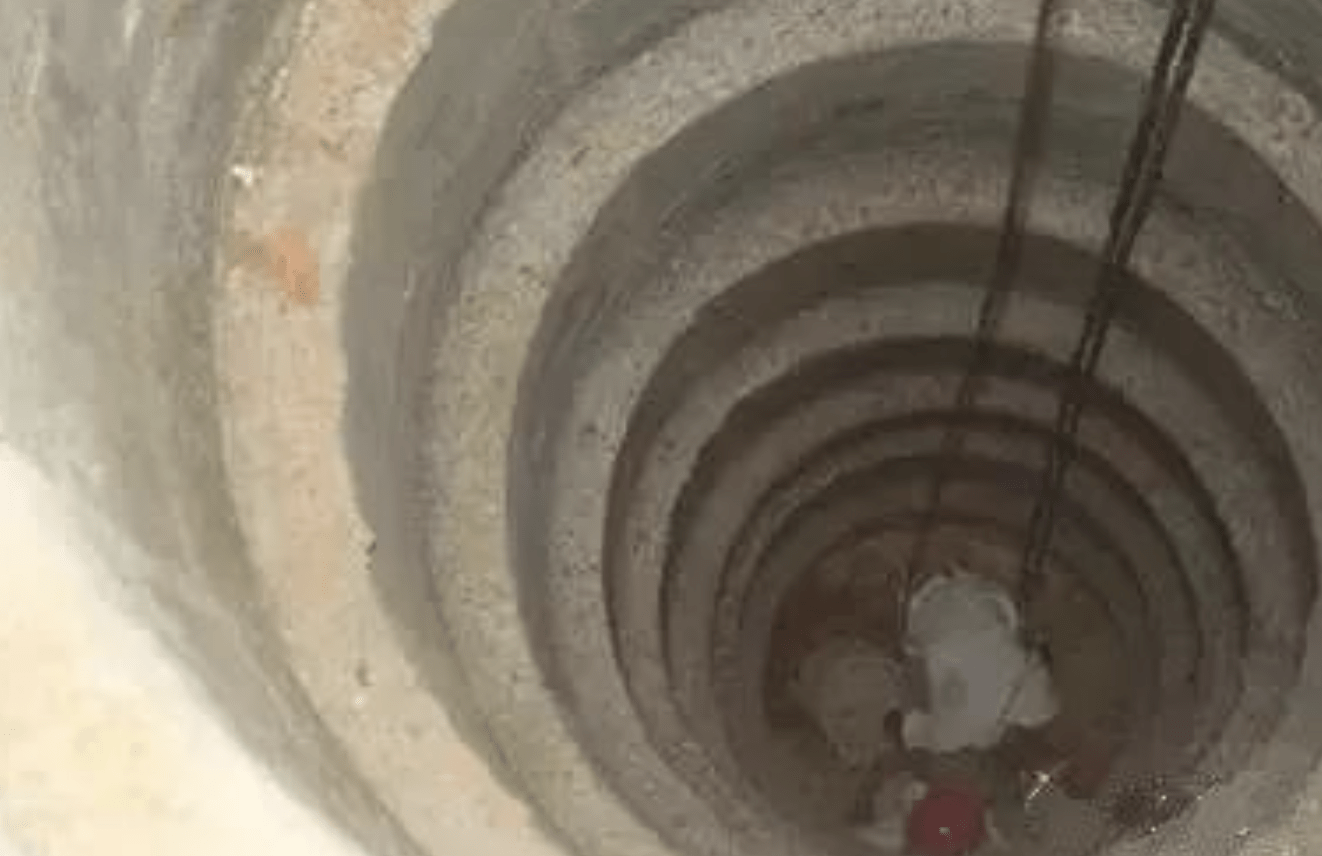
4. Hand-Dug Cast-in-Place Piles
Overview
Hand-dug piles are constructed by manually excavating a hole, installing reinforcement, and pouring concrete. They are used for high-load structures.
Suitable Conditions
-
Soil types: Dry cohesive soil, silt, sand, weathered rock.
-
Minimum diameter: 800mm.
-
Load capacity: Up to thousands of kN.
Advantages
-
High load-bearing capacity: Ideal for skyscrapers and heavy structures.
-
Better quality control: Manual inspection ensures soil integrity.
-
No noise or vibration: Eco-friendly.
-
Expandable base: Enhances bearing capacity.
Disadvantages
-
Higher concrete consumption per unit load.
-
Labor-intensive: Slow and costly.
-
Risk of collapse during base enlargement.
Conclusion
Choosing the right pile foundation depends on soil conditions, load requirements, and environmental constraints. Each method—whether vibratory tube-sinking, spiral drilling, bored, or hand-dug—has unique advantages and limitations. Proper selection ensures structural stability, cost efficiency, and minimal environmental impact.