
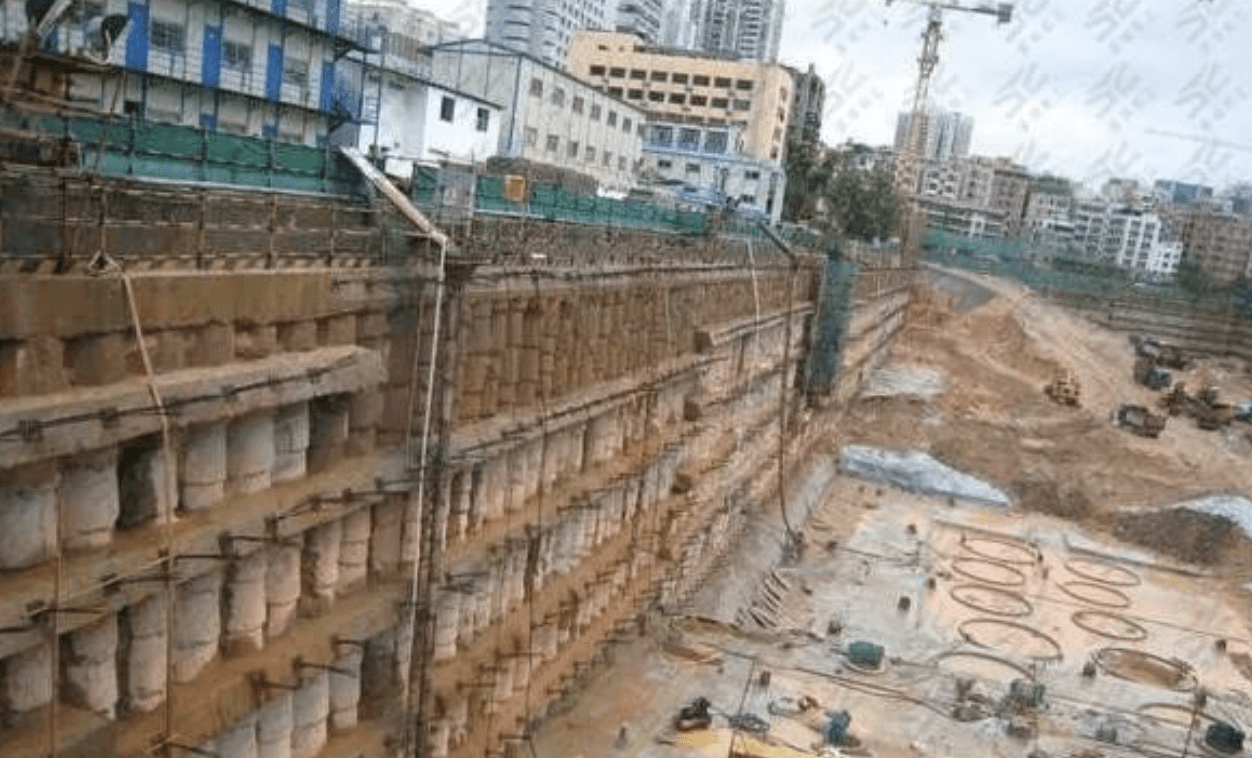
Technique 1: Adjust Pressure Based on Load and Vibration
-
Soft Soil Operations – When working with soft soil, the load is light. Use high-flow output to achieve high-speed pressure drilling.
-
Clay Layer Operations – Ensure continuous pressure application while maintaining high rotation speed with low load drilling.
-
Sandy Layers (High Friction) – This is the most challenging condition. Apply intermittent pressure and release cycles to avoid extended working hours (at least 3 extra hours) and excessive machine wear.
-
High-Precision Oscillating Geology – Adopt an aggressive approach with continuous forced pressure to break through effectively.
Technique 2: Control Drill Rod Speed Based on Geological Hardness and Type
-
Pebble Layers – Avoid direct hard impacts by using a slow rotation speed for higher efficiency.
-
Stable Mudstone & Hard Gravel Layers – Patience is key. Initially, attempting high-speed drilling leads to slippage. Switching to low-speed rotation ensures smoother operations.
-
Crushed Rock Layers – High-speed drilling risks broken teeth and even drill rod twisting. Medium-speed drilling prevents costly machine damage (a painful lesson learned from experience).
-
Stable Subsurface Layers – No worries here—high-speed drilling works perfectly.
-
Pro Tip: Rotary drilling rigs equipped with down-the-hole hammer tools use compressed air to deliver impact energy directly to the hammer head, efficiently breaking rock within the pile diameter before grouting.
-
Technique 3: Optimize Engine Speed for Energy Efficiency & Performance
Every project has different load and vibration conditions, and each machine behaves differently. Properly adjusting engine speed ensures energy efficiency and peak performance for the task.
Key Takeaways:
-
Match pressure techniques to soil type to reduce wear and save time.
-
Adjust the rotation speed based on geological hardness to avoid equipment damage.
-
Fine-tune engine RPM for optimal fuel efficiency and productivity.
By mastering these techniques, operators can maximize drilling efficiency, minimize downtime, and extend machinery lifespan, essential for competitive performance in construction and drilling operations.