

Introduction
When it comes to constructing underground walls for foundations, cut-off walls, or earth retention systems, several advanced techniques are widely used in modern construction. Among the most effective are the SMW (Soil Mixing Wall) method, TRD (Trench Cutting Re-mixing Deep Wall) method, and CSM (Cutter Soil Mixing) method. Each of these techniques offers unique advantages depending on geological conditions and project requirements. Below, we explore these methods in detail.
1. SMW Method (Soil Mixing Wall)
The SMW (Soil Mixing Wall) technique involves using a multi-axis drilling and mixing machine to excavate to a specified depth while simultaneously injecting a cement-based strengthening agent. The machine thoroughly mixes the agent with the in-situ soil, creating a uniform blend.
Before the cement-soil mixture hardens, steel sections such as H-beams or steel plates are inserted to reinforce the structure. Once the mixture cures, it forms a continuous, seamless underground wall with high strength and rigidity.
Key Features of SMW:
-
Continuous and joint-free construction ensures structural integrity.
-
Reinforcement with steel sections enhances load-bearing capacity.
-
Suitable for various soil conditions due to deep mixing technology.

2. TRD Method (Trench Cutting Re-mixing Deep Wall)
The TRD (Trench Cutting Re-mixing Deep Wall) method utilizes a cutting box equipped with cutting chains and blades, which is inserted into the ground to the required depth. As the machine moves horizontally, it cuts the soil vertically while injecting cement slurry.
This process ensures thorough mixing of cement slurry with native soil, resulting in a uniform, continuous underground wall of consistent thickness.
Key Features of TRD:
-
Produces walls with consistent thickness for reliable performance.
-
Efficient deep soil mixing ensures homogeneity.
-
Ideal for cut-off walls and earth retention in various geotechnical applications.
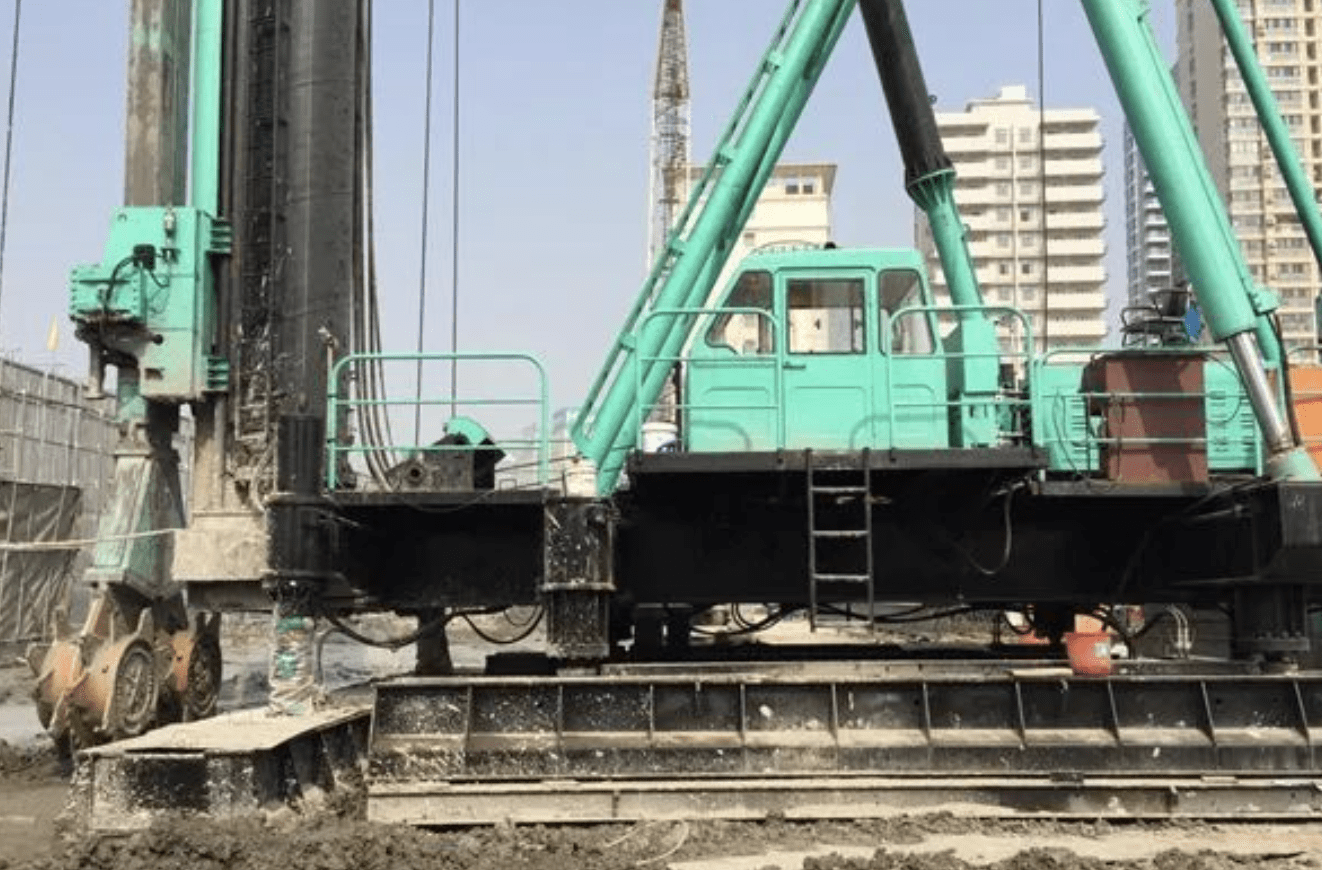
3. CSM Method (Cutter Soil Mixing)
The CSM (Cutter Soil Mixing) method combines hydraulic milling technology with deep soil mixing to construct underground walls. Originally developed from hydraulic diaphragm wall cutters, this method adapts deep mixing principles to more complex geological conditions.
By milling and mixing in-situ soil with cement slurry, the CSM method can create waterproof barriers, retaining walls, and ground improvement structures.
Key Features of CSM:
-
Adaptable to challenging ground conditions (e.g., hard strata or mixed soils).
-
Versatile applications, including cut-off walls, retaining walls, and foundation reinforcement.
-
Precise mixing ensures high-quality, durable structures.
Conclusion
Choosing the right underground wall construction method depends on project specifications, soil conditions, and structural requirements. The SMW method is excellent for reinforced walls, the TRD method ensures uniform thickness, and the CSM method excels in complex geology.
By understanding these techniques, engineers and contractors can select the most efficient and cost-effective solution for their projects.