Challenges in Thick Sandy Stratum Construction
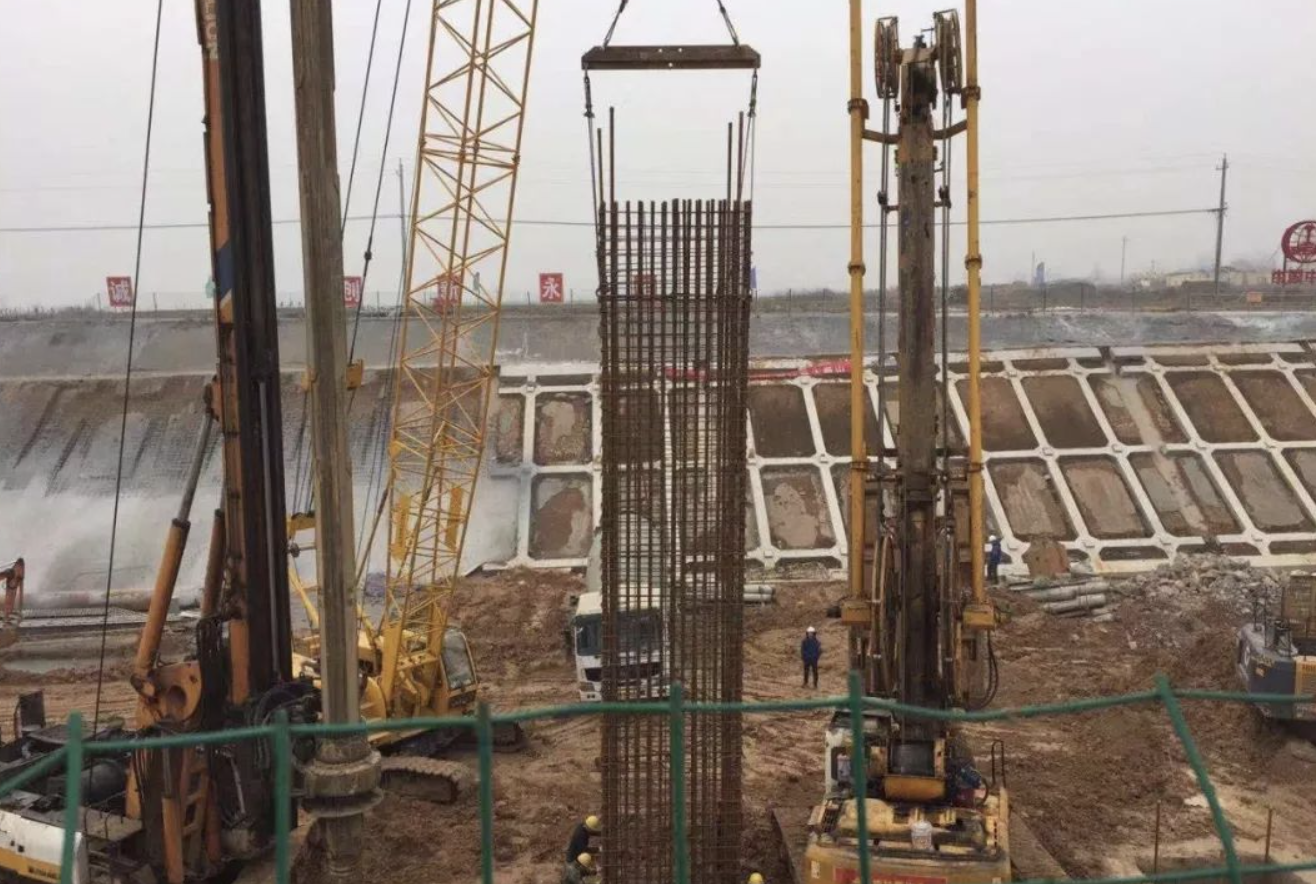
Thick sandy stratum is one of the most frequently encountered formations during rotary drilling rig construction. To ensure smooth operations, slurry wall protection is typically mandatory. However, when dealing with deep pile holes, the sand content in the drilling slurry often exceeds acceptable limits during the boring process. This compromises wall protection effectiveness and increases the risk of hole collapse accidents.
After hole completion, the sediment thickness at the bottom frequently surpasses specifications, requiring special treatment to facilitate normal reinforcement cage installation and concrete pouring. These issues significantly reduce construction efficiency while increasing project costs. Therefore, after addressing collapse risks, controlling slurry sand content and bottom sediment thickness becomes essential for successful sandy stratum drilling.
Case Study: Hongnongjian Bridge Project
The Sanling Expressway Hongnongjian Bridge project in Henan province featured designed pile diameters of 1.8m with maximum drilling depths reaching 86.5m. The geological conditions primarily consisted of alternating layers of hard plastic clay and fine sand, with a cumulative fine sand layer thickness exceeding 40m. The shallow groundwater table was only about 2m deep.
Construction utilized a SANY SR280 rig equipped with 508-6×15 friction drill rods and straight barrel cutting tooth sand buckets. Key challenges included:
-
Surface layer instability complicating casing installation
-
Rapid increase in slurry sand content exceeding 10% during drilling
-
Excessive bottom sediment is hindering final reinforcement cage placement
-
Sidewall collapses leading to nearly 30m³ of concrete overpour
Problem Analysis
1. Poor Slurry Quality Compromising Wall Protection
Field tests revealed slurry density of only 1.06 and viscosity of 16s – significantly below requirements for this stratum. Low density and viscosity reduce mud cake thickness and lateral wall pressure, triggering sidewall collapses and erosion. Sand entering the slurry further degrades quality, creating a vicious cycle.
2. Excessive Tool Lifting Speed Causing Erosion
Rapid drill tool extraction creates pressure differentials that generate high-velocity flows. When internal flow channels are inadequate, water seeks alternative paths by eroding sidewalls, particularly in loose sandy or low-cohesion soils.
3. Excessive Single-Pass Drilling Depth
Overly ambitious drilling increments allow sand to escape from overloaded buckets during ascent, especially in deep holes where minutes-long exposure to pressure differentials can destabilize retained material.
4. Excessive Bottom Disturbance
Over-rotation during bucket door closure violently agitates bottom sand layers, creating suspended material that becomes sediment during subsequent operations.
5. Improper Tool Selection
Straight-wall buckets with minimal (1cm) wear strips nearly contact hole walls directly, increasing formation damage in necking zones. Low-positioned flow ports also contribute to material loss.
6. Other Potential Causes
-
Poor bucket door sealing, allowing material to escape
-
Prolonged post-drilling static time enables fine particle settlement
Solutions
Preventive Measures
Optimal Tool Selection
For deep sandy stratum drilling:
-
Prefer tapered tools with slightly reduced bottom diameters
-
Increase wear strip thickness to minimize wall disturbance
-
Position flow ports near barrel tops to reduce material loss
Drilling Method Adjustments
-
Limit single-pass depth to keep material below the flow ports
-
Minimize bottom disturbance during bucket closure
-
Reduce lifting speeds in collapse-prone zones
Slurry Management
-
Initial slurry should meet stratum requirements (density ~1.1, viscosity ~18s)
-
Install desanding equipment at return flow points
-
Avoid reintroducing concrete tailings with high sand content
-
Monitor and replenish slurry parameters regularly
Secondary Hole Cleaning
Specialized Cleaning Tools
Use dedicated cleaning buckets featuring:
-
Reduced outer diameters
-
Scraper plates instead of bottom teeth
-
Tight barrel-base interfaces to prevent sand leakage
Air-Lift Reverse Circulation
For end-bearing piles requiring <50mm of sediment:
-
Utilize concrete pouring tubes with air compressor systems
-
Directly removes bottom sediment through rapid upward flow
-
Effective for larger particles with shorter processing times
Efficient Construction Sequencing
Sediment thickness correlates directly with static time. Accelerate operations by:
-
Adding welders for reinforcement cage assembly
-
Adopting threaded connections where possible
-
Pre-assembling tube sections
-
Using efficient work platforms
Concrete Pouring Techniques
To minimize sediment impact:
-
Use ball valves to prevent water contact with the initial concrete
-
Maintain continuous high-volume pouring to float sediments upward
Results
Implementation achieved:
-
Slurry sand content below 5%
-
Successful primary cleaning and cage installation
-
Minimal secondary cleaning requirements
-
Controlled concrete overpour within 1.06 filling factor
Conclusion
For rotary drilling in thick sandy strata:
-
Implement comprehensive preventive measures
-
Optimize construction sequencing for rapid completion
-
Combine specialized cleaning tools with air-lift techniques
-
These methods ensure sediment control and construction quality
This technical approach provides a reliable solution for challenging sandy stratum drilling projects, balancing efficiency with quality control throughout the construction process.