
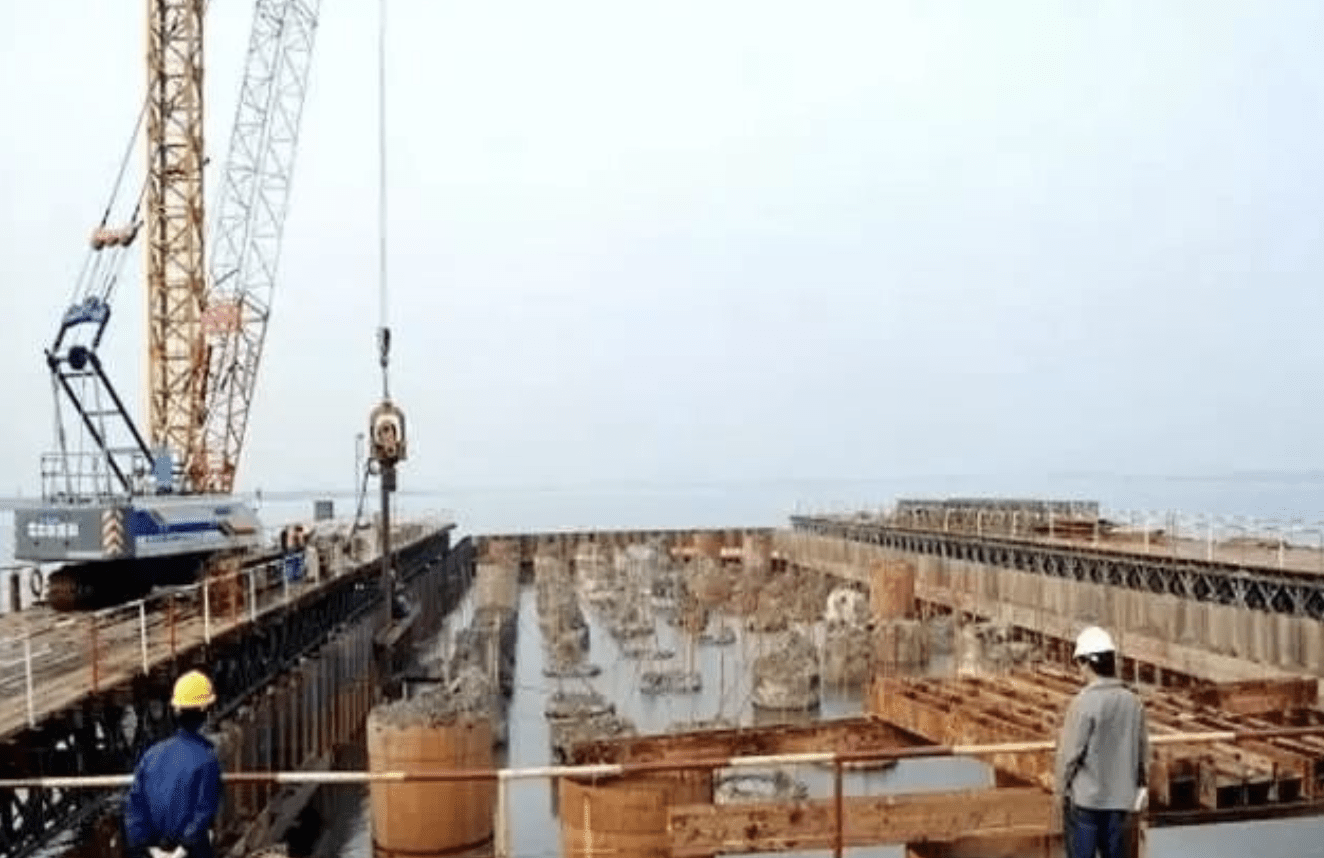
Introduction to Rotary Drilling Construction Method
The construction method refers to a comprehensive set of engineering practices that integrate advanced technology and scientific management, developed through practical engineering experience. It is characterized by its efficiency, reliability, safety, environmental friendliness, and cost-effectiveness.
The rotary drilling construction method consists of five key components:
-
Site Investigation
-
Management
-
Equipment Maintenance
-
Process & Quality Control
-
Accident Handling
This guide will explore each aspect in detail to enhance understanding and application in construction projects.
1. Site Investigation
1.1 Project Overview
A thorough understanding of the project is essential for successful execution. Key factors include:
-
Location: Affects transportation costs, material procurement, weather conditions, and project pricing.
-
Project Type: Determines construction approach. Examples:
-
High-speed rail & highways (scattered piles, strict regulations).
-
Cement/power plants (dense piles, relaxed regulations).
-
-
Geographical Considerations: Avoid rocky or river-adjacent sites due to unstable geology and high groundwater levels.
-
Seasonal Impact: Winter construction increases costs and difficulty.
-
Weather Conditions: Rain and snow significantly delay progress.
1.2 Geological Analysis
Geology directly impacts drilling difficulty. Categories include:
-
Conventional Geology: Clay, loess, silt, fine/medium/coarse sand.
-
Moderate Difficulty: Gravel, pebble layers, sedimentary rock (sandstone, shale).
-
High Difficulty: Weathered/igneous rock (granite, basalt).
Strength Measurement:
-
Bearing Capacity (for conventional/moderate geology).
-
Uniaxial Compressive Strength (for harder formations).
1.3 Groundwater Impact
-
Water Medium: Porous rock/soil affects drilling stability.
-
Depth & Volume: Deeper, less abundant groundwater is preferable.
-
Geotechnical Reports: Essential for planning.
1.4 Pile Diameter Considerations
-
Torque & Pressure: Larger diameters increase resistance and reduce drilling efficiency.
1.5 Client Assessment
-
Infrastructure: Check accessibility, water, power, and communication.
-
Land Acquisition: Verify compensation for affected residents.
-
Noise Regulations: Ensure compliance to avoid work stoppages.
-
Design & Materials: Confirm availability of drawings, concrete, and rebar cages.
2. Management
Effective management ensures high productivity and cost efficiency.
2.1 External Coordination
-
Maintain strong relationships with clients and stakeholders.
2.2 Planning & Organization
-
Set daily targets and optimize resource allocation (manpower, machinery, materials).
2.3 Control Measures
-
Monitor safety, production, and quality to ensure progress aligns with goals.
2.4 Logistics & Support
-
Prioritize worker welfare (housing, protective gear, meals).
2.5 Rules & Regulations
-
Implement policies on labor contracts, wages, benefits, and disciplinary actions.
2.6 Human Resources
-
Address high turnover by improving working conditions and fair compensation.
2.7 Teamwork
-
Foster collaboration to maximize collective output.
3. Equipment Maintenance
Reliable equipment is critical for operational efficiency.
3.1 Mechanical Components
-
Chassis: Tracks, H-frame, slewing bearing, counterweight.
-
Drilling Assembly: Boom, mast, drill pipe, tooling.
-
Maintenance Focus: Welds, bolt torque, lubrication, and oil changes.
3.2 Electrical Systems
-
Key Checks: Wiring integrity, relay functions, multimeter diagnostics.
3.3 Hydraulic Systems
-
Components: Pumps, valves, cylinders, filters.
-
Maintenance: Regular oil/filter changes, contamination prevention.
3.4 Engine Care
-
Brands: Caterpillar, Cummins.
-
Best Practices: Use OEM parts, monitor fluids, and avoid cold-start damage.
3.5 Scheduled Maintenance
-
Follow hourly service intervals (250h, 500h, etc.) for all systems.
4. Process & Quality Control
4.1 Drill Pipe Selection
-
Friction Type: For depths >80m.
-
Locking Type: For high-resistance formations (>500 kPa).
4.2 Drilling Tools
-
Bucket Types: Sand, rock, spiral, core barrels (matched to geology).
4.3 Drill Bits
-
Tooth Types:
-
Drag Bits: For soft formations.
-
Button Bits: For hard rock.
-
4.4 Pilot Drilling
-
Functions: Positioning, reducing resistance.
-
Types: Fish-tail, conical plate, carbide-tipped.
4.5 Mud Engineering
-
Functions: Stabilization, lubrication, cooling.
-
Materials: Bentonite, polymers, soda ash.
-
Key Metrics: Viscosity, density, sand content.
4.6 Operational Techniques
-
Adaptive Drilling: Adjust methods based on geology (cutting, crushing, grinding).
5. Accident Handling
5.1 Common Issues & Solutions
-
Slurry Problems: Adjust viscosity and density.
-
Collapse: Reinforce borehole walls.
-
Deviation: Correct uneven pressure or tooling.
-
Equipment Failures: Implement recovery procedures (e.g., fishing tools).
5.2 Preventive Measures
-
Training: Ensure operators recognize early warning signs.
-
Contingency Plans: Prepare for emergencies like stuck tools or broken pipes.
Conclusion
The rotary drilling method demands meticulous planning, skilled execution, and proactive maintenance. By mastering site assessment, management, equipment care, and process optimization, teams can achieve efficient, safe, and cost-effective project outcomes.
For further insights on rotary drilling techniques and construction best practices, explore our detailed resources.